The Champions League knockout draw lands every spring like a verdict. Clubs learn their paths in real time, and within minutes the conversation flips from hope to arithmetic. A favorable draw reframes a campaign entirely. A brutal one does the same- just in the opposite direction.
The draw sets fixtures. It also rewires how supporters read the tournament. A top side avoiding other heavyweights until the final suddenly looks like a genuine contender rather than a likely casualty (see Arsenal in this year’s draw as an example). An underdog handed a winnable tie gains credibility it hadn’t earned on the pitch yet. These shifts move fast- through social media, through pub conversations, through the broader football community, before a single ball is kicked in anger.
Reading these draws properly means looking past the names pulled from the pot. Bracket structure matters. Historical performance across two-legged ties matters. Momentum, or the absence of it, shapes outcomes more than pre-draw rankings suggest. The knockout stage is where narratives calcify. The draw writes the first line.
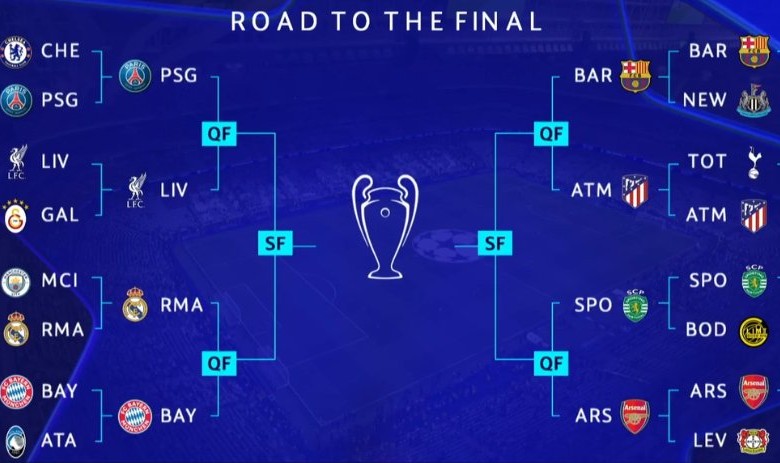
Why Knockout Draws Matter More Than Group Stage Results
Group stage dominance resets to zero the moment the bracket is confirmed. A draw can rewrite the entire story of a team’s campaign in under thirty seconds. That shift reflects how the Champions League knockout draw works, where bracket positioning shapes not just the next opponent, but the entire path through to the final.
Past draws make the pattern obvious. When Bayern Munich and Manchester City landed on opposite sides of the bracket in 2023, the reaction was immediate and specific. Outright odds shifted within hours. Top contenders regularly see their prices move as soon as the bracket structure becomes clear, not because their squad changed, but because the path did. That’s the draw’s actual power.
Avoiding another top-four contender until the final gives a side room to build momentum across rounds. Teams dropped into the tougher half face compounding difficulty from the first whistle. The bracket doesn’t predict the winner. It loads the dice.
How Bookmakers Price Bracket Paths After the Draw
Outright odds move fast after a knockout draw. A perceived easier quarterfinal path produces shorter prices. A brutal route pushes odds out. This movement happens within hours, sometimes minutes, of the draw completing.
The bracket reprices the tournament in real time. Champions League odds shift within hours of the draw, reflecting how seriously the market takes bracket positioning across outright and match markets alike.
A team opening at 6.00 to win the tournament might shorten to 4.50 if the bracket is kind, or drift past 8.00 if the draw lands badly. In-play markets for individual ties shift further still, particularly once aggregate score scenarios start playing out across the first legs. Some of the sharpest movement happens not at the draw itself, but after the first leg result reframes what the second leg requires.
The bracket path also determines rest and travel schedules across rounds. A side drawn into back-to-back away first legs faces cumulative fatigue that rarely appears in pre-draw odds but consistently shows up in second-leg performance data. Bookmakers with access to squad fitness tracking adjust lines accordingly. Most casual observers miss it entirely.
Tactical Matchup Angles That Drive Odds Movement
Style clashes do specific things to specific markets. A high-pressing side drawn against a deep-defending team tightens the over/under 2.5 goals line almost immediately. Bookmakers read tactical contrasts and price them before most fans have processed the bracket. The total goals market moves before the match odds in these cases. Sometimes well before.
Leg sequencing adds another layer. Teams playing the second leg at home carry a structural advantage the market prices consistently. That dynamic reflects Champions League two leg format rules, where the outcomes are shaped across two matches rather than a single result, shifting how odds react to venue and timing. They absorb pressure in the away first leg, return to familiar ground needing a defined result, and control the tie’s final shape. Home second-leg sides price shorter across European competition. Has done for years. The 2019 Liverpool comeback against Barcelona at Anfield is the extreme version of that dynamic, but the underlying pattern repeats across every round, every season.
Squad depth across a two-legged tie creates pricing angles that single-match analysis misses. A club with seventeen senior outfield players of genuine European quality handles rotation across legs differently than a side relying on eleven starters and three functional backups. That depth gap rarely appears in headline odds but consistently surfaces in handicap and Asian line markets, where bookmakers price squad rotation risk more precisely.
Head-to-head records in European competition carry weight that domestic form doesn’t always predict. Certain clubs consistently perform above their league-season level in knockout football. Atletico Madrid’s record in Champions League knockout rounds in the last decade and a half under Diego Simeone is the clearest example: a side that routinely outperformed its La Liga standing once the bracket stage arrived. For example, they beat Barca 2:0 in the first leg of their quarter-final this year despite having not won at the Nou Camp in their previous 25 odd visits there.
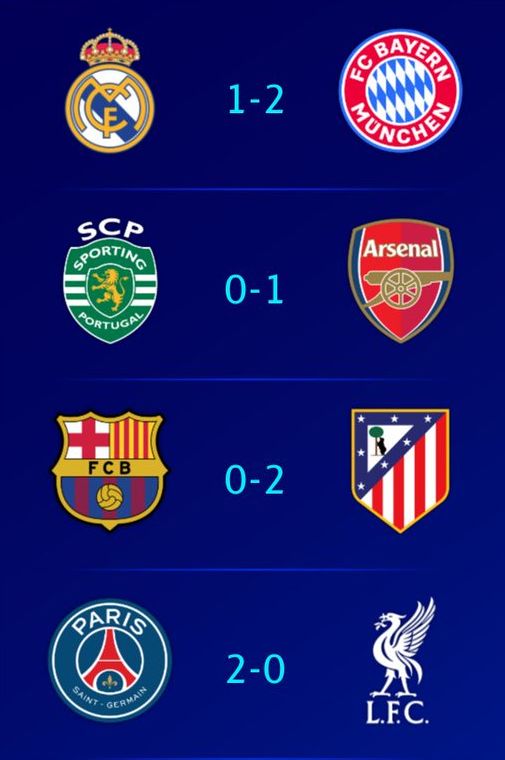
Why the Draw Remains the Tournament’s Most Compelling Moment
No press conference, no transfer announcement, no pre-season prediction generates the immediate, simultaneous global reaction that a Champions League knockout draw produces. Thirty-two clubs reduced to eight ties in under twenty minutes. Managers watching from offices in Munich, Madrid, Manchester and elsewhere across the continent absorbing the same information at the same moment. The reaction time is identical. The preparation time is not.
Clubs with established scouting infrastructure begin opponent analysis within hours of the draw. Video analysts pull recent match footage. Set-piece coaches review dead-ball patterns from the current season. Fitness staff map the calendar between now and the first leg, identifying congestion points and rotation windows. The draw triggers a specific operational cascade that fans never see and that rarely gets reported until the first leg is already underway.
Fan reaction moves differently. Social media processes the bracket through historical memory and emotional association rather than tactical data. A draw pairing two clubs with a history of contentious European meetings produces a very different public reaction than two sides meeting for the first time at this stage. Neither reaction is wrong. They are reading different information from the same draw result.
The gap between those two reactions- the tactical and the emotional, is where the most interesting bracket analysis lives. The draw is the starting point. What happens between the draw & the final whistle of the second leg is the actual story. Every spring, the bracket sets that story in motion. The rest is football.